
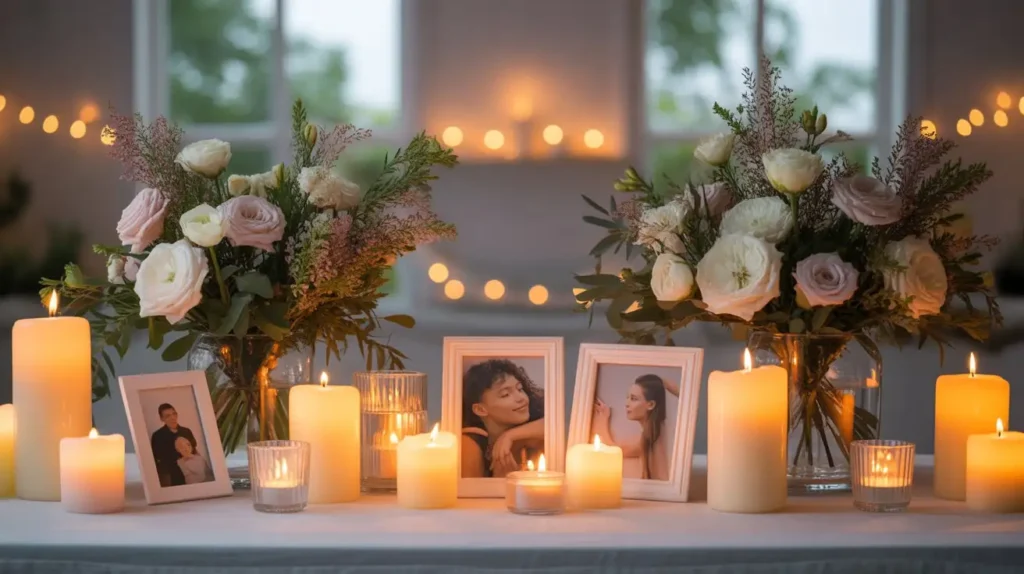
When a loved one passes away, choosing how to honor their memory becomes one of the most important decisions family members face. While traditional funeral service options have long been the standard, many families are now discovering the healing power of a celebration of life—a meaningful memorial service that focuses on joy, remembrance, and the positive impact their person had on the world.
Planning a meaningful celebration of life allows family and friends to gather in a way that truly reflects the deceased’s personality, creating space for sharing happy memories while providing comfort during the grief process. This comprehensive guide will walk you through every aspect of creating a memorable life event that honors your loved one’s unique legacy.
Understanding What Makes a Celebration of Life Special
A celebration of life differs significantly from traditional funerals in both tone and structure. While traditional funeral service ceremonies often focus on mourning and loss, a meaningful celebration emphasizes the joy, accomplishments, and cherished moments that defined your loved one’s journey. This approach doesn’t diminish the reality of death or the natural grief process—instead, it creates opportunities for healing through positive remembrance.
The beauty of a life service lies in its flexibility. There’s no prescribed format or timeline, allowing you to create an event that feels authentic to your loved one’s spirit. Whether you envision an intimate gathering with close friend circles or a larger memorial service that brings together extended community, the focus remains on celebrating a life well-lived.
Choosing the Right Location for Your Memorial Service
The venue you select sets the tone for the entire celebration of life. Unlike traditional funerals that typically occur in funeral homes or a local church, celebrations of life can take place virtually anywhere that holds special meaning for the deceased.
Consider these meaningful location options:
Community Centers
Community centers offer versatile spaces that can accommodate various group sizes while providing kitchen facilities for food service. These venues often feel warm and welcoming, creating the perfect atmosphere for sharing stories and memories.
Outdoor Venues
Outdoor venues such as parks, gardens, or even the deceased’s favorite restaurant can provide a more personalized setting. If your loved one was passionate about nature, hosting the celebration outdoors allows attendees to feel connected to something they cherished.
Family Homes
Family homes create the most intimate gathering space, perfect for smaller groups of willing friends and close family members. The familiar environment often encourages more natural conversation and memory sharing.
When selecting your venue, consider practical elements like parking availability, accessibility for elderly attendees, and weather backup plans for outdoor celebrations. The right location should feel like a natural extension of your loved one’s personality and preferences.
Creating Your Guest List and Invitations
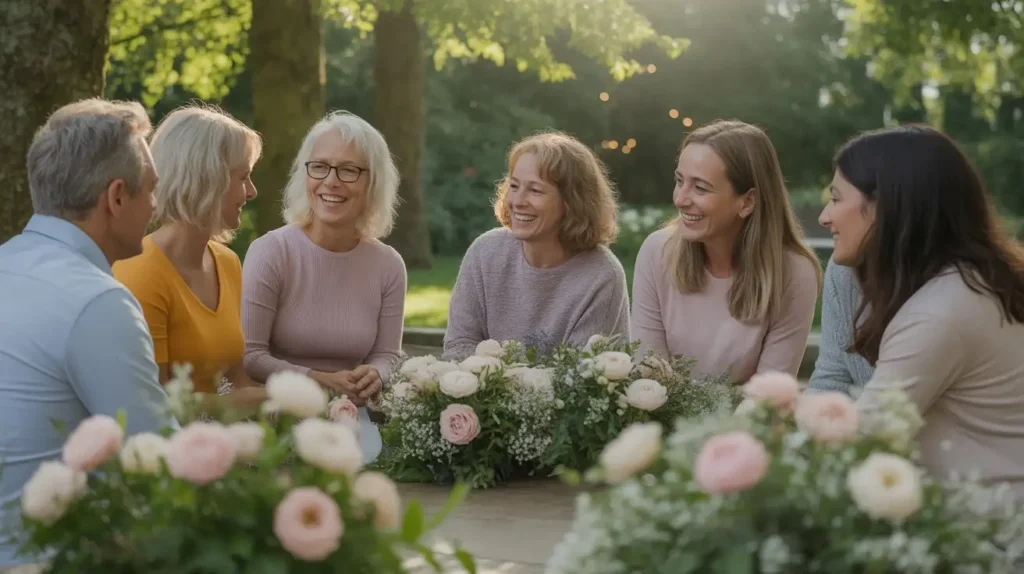
Determining who to invite as guests requires thoughtful consideration of your loved one’s relationships and your family’s needs during this time. Unlike traditional funerals, where attendance might be expected, celebrations of life often involve more intentional guest lists focused on those who had meaningful connections with the deceased.
Start by identifying immediate family members, then expand to include close friends, colleagues, and community members who played significant roles in your loved one’s life. Consider reaching out to people from different life stages—childhood friends, work colleagues, neighbors, and hobby groups—as each person brings unique memories and perspectives.
When sending invitations, communicate the celebration’s tone and any specific requests clearly. Let attendees know if you’re encouraging the sharing of stories, if there’s a suggested dress code, or if you’d like them to bring photos or mementos. This preparation helps create the meaningful moments that make celebrations of life so special.
Personal Touches That Honor Their Memory
The most meaningful memorial services incorporate elements that reflect the deceased’s personality, interests, and values. These personal touches transform a generic service into a true celebration of an individual’s life. Many families choose to incorporate themed decor that reflects the interests and personality of the deceased, adding a unique and heartfelt dimension to the event.
Music and Entertainment
If your loved one had favorite songs that defined their life, incorporate these into the service. Consider hiring a live music ensemble or live band if they are music lovers, or create carefully curated playlists that tell the story of their life through sound. Consider incorporating music that resonates with your loved one during their celebration of life to create a deeply personal and emotional atmosphere.
Visual Tributes
Create displays featuring favorite photos, video tributes, and meaningful artifacts. These visual elements help attendees connect with different aspects of your loved one’s life and often spark conversations and shared memories.
Memory Sharing
Designate time for attendees to share favorite poems, stories, or memories. This participatory element allows everyone to contribute to the collective remembrance and often provides comfort to grieving family members.
Food and Hospitality Considerations
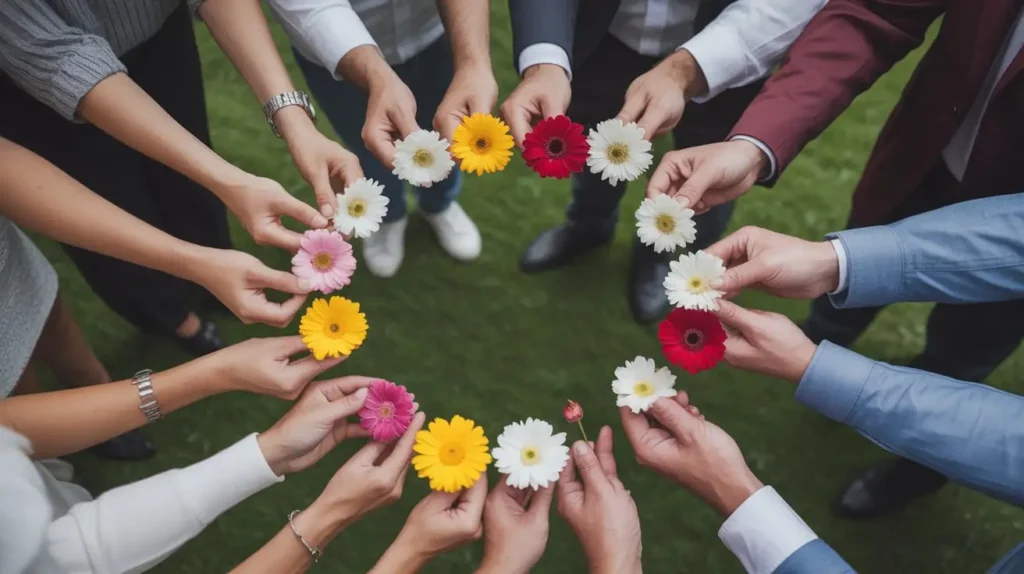
Food often plays a large role in bringing people together and providing comfort during difficult times. The approach you take should reflect your loved one’s preferences and your family’s traditions while considering practical logistics.
Many families choose to serve their loved ones’ favorite dishes or foods that hold special meaning in their lives. If they were known for hosting dinner parties, consider recreating some of their signature recipes. If they had a favorite restaurant, you might arrange catering from that establishment.
The style of food service can vary from formal sit-down meals to casual buffets or even potluck-style gatherings where attendees contribute dishes. Consider your venue’s facilities and your budget when making these decisions. Remember that the goal is creating an atmosphere where people feel comfortable lingering, sharing stories, and supporting one another.
Timeline and Flow of Your Life Event
Unlike traditional funerals that follow established protocols, celebrations of life allow for flexible timing and structure. Most successful celebrations typically occur between two and four hours, providing enough time for meaningful interaction without overwhelming grieving attendees.
Most celebrations of life run 2-4 hours, though there’s no strict requirement. The duration depends on your program elements, venue constraints, and family preferences. Consider your attendees’ needs and energy levels when planning your timeline.
Consider this general flow:
Welcome and Gathering: Allow time for attendees to arrive, greet one another, and view any displays or memory tables you’ve created.
Formal Program: This might include welcome remarks, music, readings, and invited speakers sharing memories or tributes.
Open Sharing Time: Invite attendees to share their own stories, memories, or thoughts about your loved one.
Reception and Fellowship: Provide time for food, informal conversation, and continued memory sharing.
Memorial Planning Considerations
Celebrations of life can accommodate various religious and spiritual beliefs by focusing on universal themes such as love, memory, and gratitude. Many families choose to hold non-denominational services that honor their loved one’s values while respecting the diverse beliefs of attendees. Although these celebrations often take place outside of traditional funeral homes and without a funeral director, the master of ceremonies—such as Eternally Loved—works behind the scenes to ensure every guest feels part of a deeply personal and meaningful experience, enhanced with photos and decorations that express love, remembrance, and gratitude for the person being honored.
Working with Eternally Loved Professionals
While celebrations of life offer more flexibility than traditional services, working with experienced professionals can help ensure your event runs smoothly during an emotionally challenging time. A knowledgeable celebration of life planner, such as an Eternally Loved, can work with the family or, in some cases, a funeral director. The goal is to assist with logistics, legal requirements, and practical considerations that you may not have considered.
When selecting professionals to work with, look for providers who understand the unique nature of celebration of life services and can support your vision while handling necessary details. As a woman-owned business with extensive experience in memorial services, Eternally Loved understands the importance of creating events that truly honor your loved one’s memory while supporting your family through the grief process.
Managing Emotions and Expectations
Planning a meaningful memorial service while processing grief presents unique challenges. It’s important to remember that there’s no “right” way to celebrate a life, and what matters most is creating an event that feels authentic to your loved one’s memory and supportive of your family’s healing process.
Allow yourself flexibility in planning and don’t hesitate to delegate tasks to willing friends or family members. Many people want to help during times of loss, and involving others in the planning can create additional opportunities for connection and support. Even if you hire Eternally Loved, making a planning committee can also help distribute the responsibilities of organizing the celebration, ensuring no single person feels overwhelmed.
Creating Lasting Remembrance
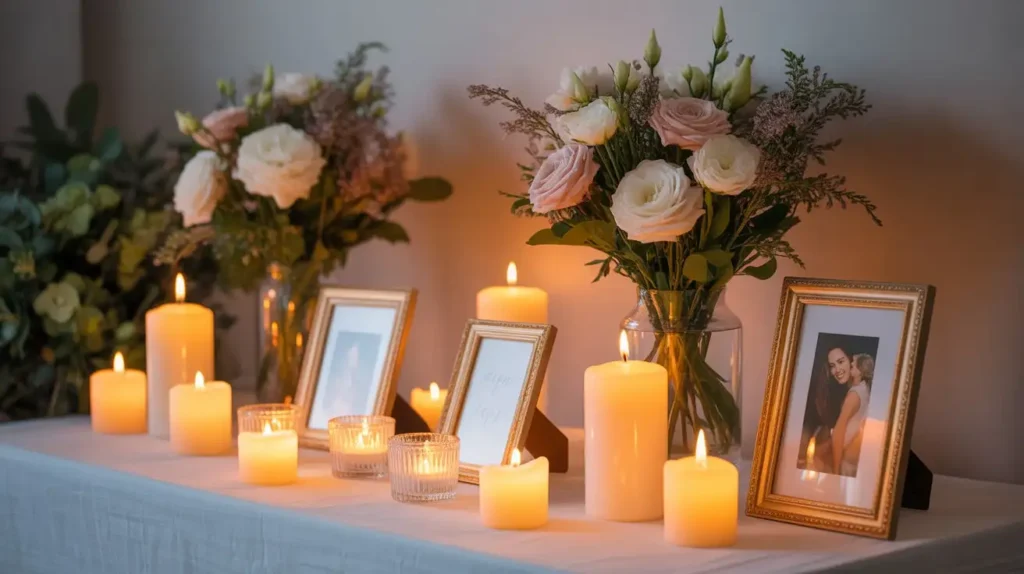
Consider ways to extend the celebration beyond the immediate event. Some families create memory books where attendees can write messages, others establish charitable funds in their loved one’s name, or plant memorial gardens. Using digital memorial pages allows family and friends to share memories and support both during and after the celebration, ensuring the legacy of your loved one continues to be honored.
Planning a celebration of life requires thoughtful consideration of many elements. Still, the result can be a profoundly healing experience that honors your loved one’s legacy while supporting everyone who cared about them. By focusing on the joy, love, and positive impact your person had on others, you create a meaningful memorial that celebrates their unique contribution to the world.
Frequently Asked Questions
How soon after death should a celebration of life be held?
Unlike traditional funerals that typically occur within a few days, celebrations of life offer more flexibility in timing. Many families hold them 1-4 weeks after death, allowing time for planning and for distant family members to make travel arrangements. Celebrations of life can be scheduled at any time, providing additional time for both planning and emotional preparation.
What’s the appropriate dress code for a celebration of life?
Dress codes vary based on the deceased’s personality and family preferences. While some celebrations call for formal attire, others encourage bright colors, casual clothing, or attire that reflects the person’s interests (like sports team jerseys). Include dress code guidance in your invitations to help attendees feel comfortable.
How long should a celebration of life last?
Most celebrations of life run 2-4 hours, though there’s no strict requirement. The duration depends on your program elements, venue constraints, and family preferences. Consider your attendees’ needs and energy levels when planning your timeline.
Can we have both a funeral and a celebration of life?
Absolutely. Many families choose to have a private funeral or burial service for the immediate family, followed by a larger celebration of life for extended friends and community members. This approach allows for different types of grieving and remembrance.
What if someone becomes emotional during the celebration?
Emotions are natural and expected at memorial services. Create quiet spaces where people can step away if needed, and consider having tissues readily available. Remember that tears can be part of celebrating a meaningful life, and emotional moments often lead to deeper connection and healing.
How do we handle religious differences among attendees?
Celebrations of life can accommodate various religious and spiritual beliefs by focusing on universal themes like love, memory, and gratitude. Consider incorporating elements that were important to your loved one while remaining respectful of diverse beliefs among attendees.